Finding the best running shoes is less about choosing the most famous brand and more about matching the shoe to the way you run. A soft, protective trainer can make easy miles more comfortable, while a lighter and more responsive model is usually better suited to tempo sessions. Runners who prefer additional guidance may also feel more confident in a stability shoe than in a flexible neutral design.
After comparing current manufacturer specifications, specialist laboratory reviews, independent wear-test reports, model availability, and the needs of different runners, we selected ten standout road-running shoes. Our best overall pick is the Adidas Adizero EVO SL because it combines low weight, responsive cushioning, and enough versatility for daily mileage and faster sessions. It will not be the right choice for everyone, however, so the guide also includes options for beginners, high-mileage training, stability, maximum cushioning, wide feet, and racing.
Editorial note: TeaBuster independently researched these products using manufacturer specifications, specialist testing publications, retailer availability, and practical fit considerations. We did not personally wear-test every pair. Prices and availability can change, so use the retailer buttons to check current information.
Before you buy: If you are choosing your first pair, compare our best running shoes for beginners shortlist. Check toe room, width and heel security, then compare support preferences before ordering.
Our Top Picks
| Best for | Running shoe | Amazon | Review |
|---|---|---|---|
| Best Overall Running Shoes | Adidas Adizero EVO SL | Check price on Amazon | Jump to review → |
| Best Daily Training Running Shoes | New Balance Fresh Foam X 1080 v15 | Check price on Amazon | Jump to review → |
| Best Running Shoes for Beginners | ASICS Novablast 6 | Check price on Amazon | Jump to review → |
| Best Value Running Shoes | Nike Pegasus 42 | Check price on Amazon | Jump to review → |
| Best Stability Running Shoes | Saucony Hurricane 25 | Check price on Amazon | Jump to review → |
| Best Cushioned Running Shoes | HOKA Bondi 9 | Check price on Amazon | Jump to review → |
| Best Running Shoes for Tempo Runs | Saucony Endorphin Speed 5 | Check price on Amazon | Jump to review → |
| Best Running Shoes for Long Runs | ASICS Gel-Nimbus 28 | Check price on Amazon | Jump to review → |
| Best Running Shoes for Wide Feet | Brooks Ghost 18 | Check price on Amazon | Jump to review → |
| Best Running Shoes for Race Day | Nike Vaporfly 4 | Check price on Amazon | Jump to review → |
Best Overall Running Shoes: Adidas Adizero EVO SL
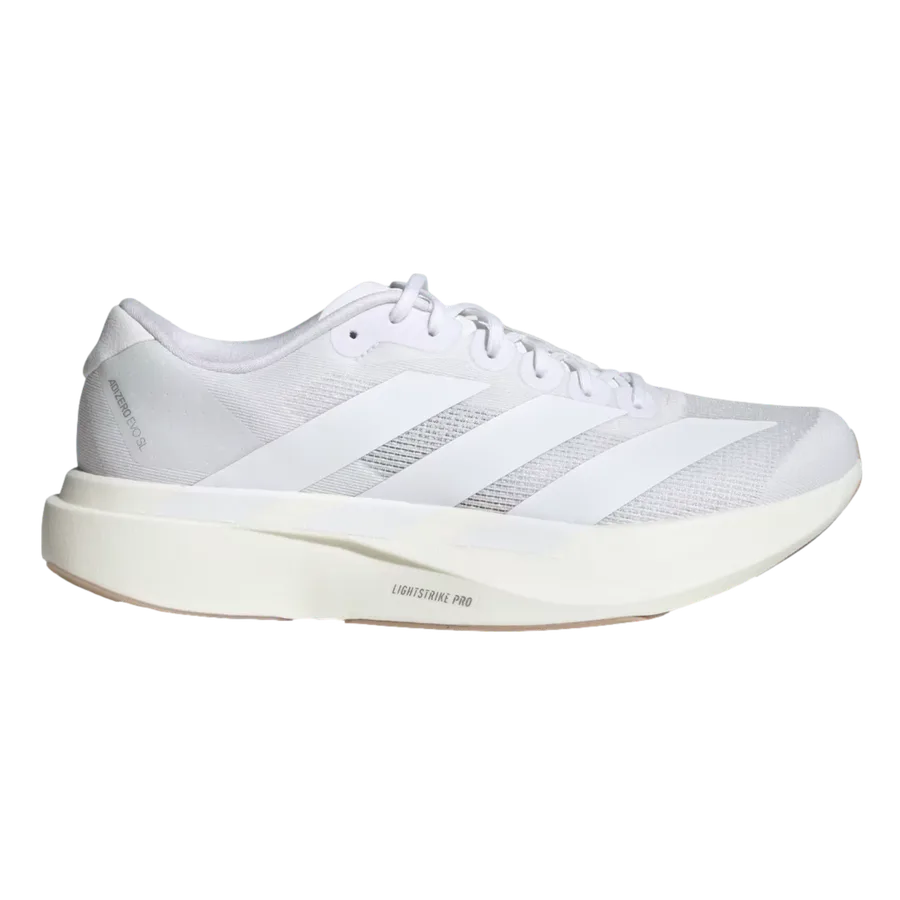
Why we recommend it: The Adizero EVO SL offers an unusually strong combination of speed, cushioning, and everyday usability. It borrows the energetic character of Adidas racing shoes but removes the aggressive carbon plate, producing a more flexible shoe that can handle relaxed runs, steady efforts, and faster workouts.
Key specifications
- Support: Neutral
- Weight: Approximately 224 g / 7.9 oz for the referenced men’s size
- Heel-to-toe drop: 6 mm
- Midsole: Lightstrike Pro foam
- Best for: Runners who want one lightweight shoe for varied road training
What we like
- Lightweight construction feels appropriate for speedwork without being limited to race day.
- Full-length performance foam delivers a lively transition at different paces.
- The shoe can cover more roles than a specialized recovery or racing model.
- Rubber coverage adds useful road grip while keeping weight controlled.
Potential flaws
- The minimal tongue and heel structure may require careful lacing to achieve a secure fit.
- Runners who want firm stability guidance or an extremely plush ride should look elsewhere.
The EVO SL is our best running shoe for the greatest number of neutral runners because it does not force a choice between comfort and responsiveness. Its Lightstrike Pro platform provides noticeable energy return, yet the shoe remains approachable enough for ordinary training. That makes it particularly valuable for runners who do not want to maintain a large shoe rotation.
The tradeoff is its streamlined upper. A lightweight tongue and performance-oriented heel can feel less locked down than the more padded construction found in conventional daily trainers. Trying the shoe with the socks you normally wear and experimenting with the lacing before a long run is sensible.
Who should buy it: Neutral runners who want a light, energetic, multipurpose road shoe for daily miles and faster training.
Best Daily Training Running Shoes: New Balance 1080 v15
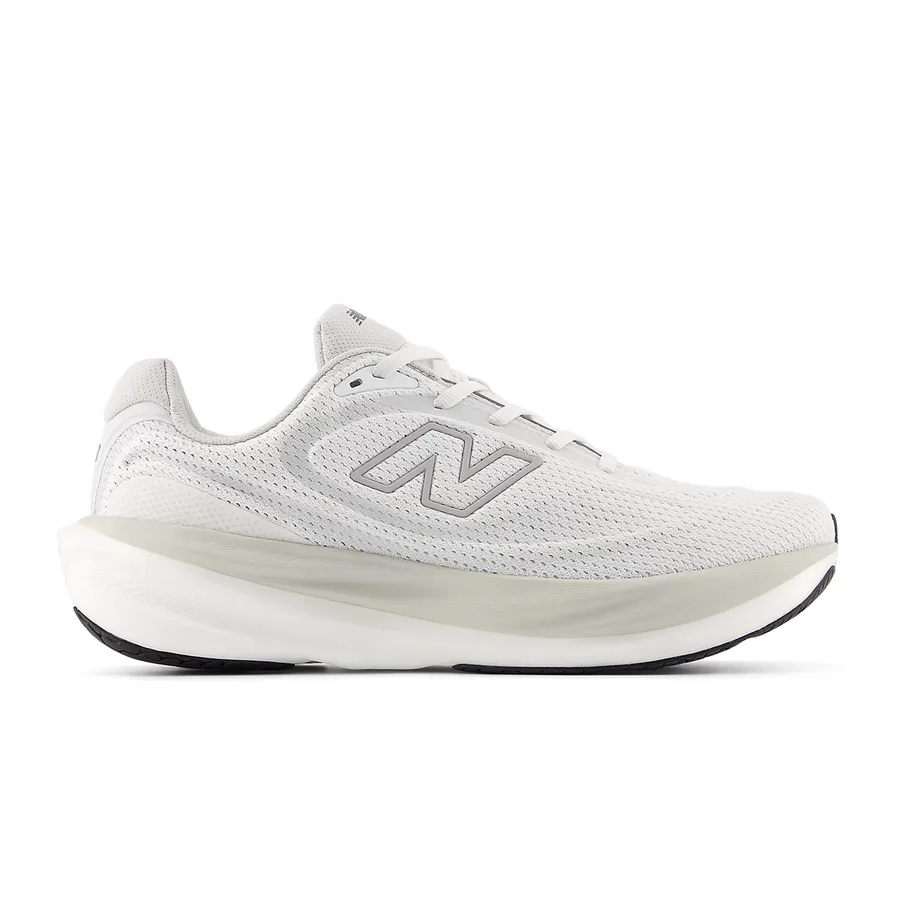
Why we recommend it: New Balance rebuilt the 1080 around its Infinion cushioning platform, aiming for soft protection without the dull feeling sometimes associated with high-cushion shoes. The v15 is a dependable option for everyday miles, long runs, and runners who prioritize comfort.
Key specifications
- Support: Neutral
- Weight: Approximately 261 g / 9.2 oz for the referenced men’s size
- Heel-to-toe drop: 6 mm
- Midsole: Infinion foam
- Widths: Narrow, standard, wide, and extra-wide options are offered in selected versions
- Best for: Daily training and comfortable long runs
What we like
- Soft cushioning is suitable for repeated daily mileage.
- The rocker and responsive foam help the shoe move more smoothly than its cushioning level suggests.
- Multiple width options improve the likelihood of finding a suitable fit.
- The rubber outsole is designed to protect higher-wear areas.
Potential flaws
- Runners who prefer a firm, highly connected ground feel may find it too soft.
- It is not as light or aggressive as a dedicated tempo or race shoe.
Daily trainers need to be comfortable enough for easy days but sufficiently controlled for normal-paced running. The 1080 v15 achieves that balance through a broad cushioned platform and a moderate 6 mm drop. New Balance lists it for both everyday and long runs, which aligns with the role it fills in this guide.
Its extensive width range is another strategic advantage. Width problems cannot always be solved by going up a size, because that can add unwanted length and allow heel movement. Choosing the correct width is normally preferable. The 1080 v15 is therefore worth considering for runners who struggle to find plush shoes in narrow, wide, or extra-wide fittings.
Who should buy it: Runners seeking a comfortable, protective daily shoe with several width choices and enough versatility for longer efforts.
Best Running Shoes for Beginners: ASICS Novablast 6
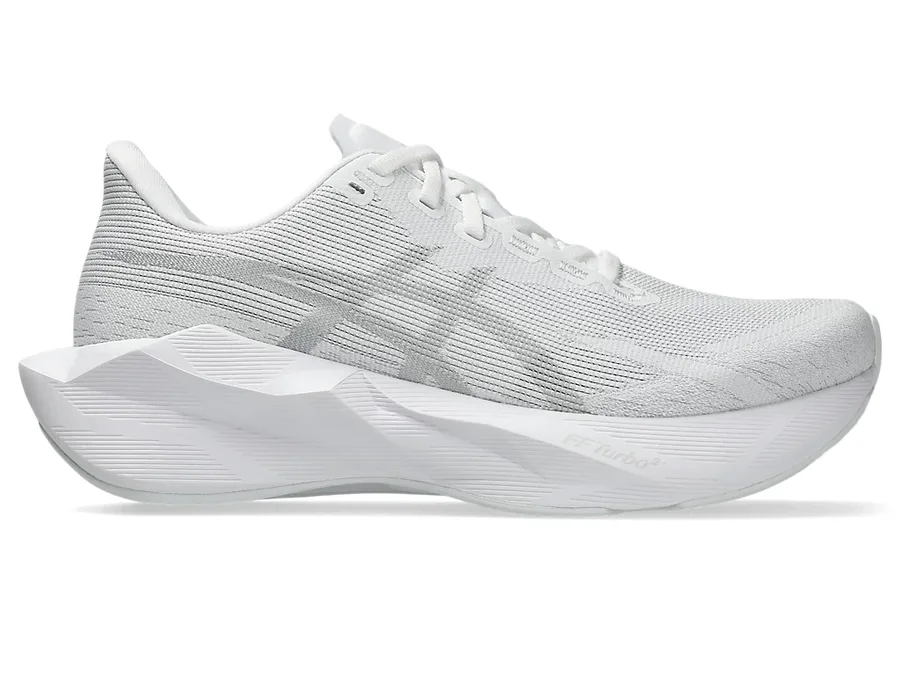
Why we recommend it: The Novablast 6 combines high cushioning, a stable-feeling platform, strong outsole coverage, and a lively forefoot. Those qualities make it accessible to newer runners without making it boring as fitness and pace improve.
Key specifications
- Support: Neutral
- Weight: Approximately 253 g / 8.9 oz for the referenced men’s size
- Heel-to-toe drop: 8 mm
- Midsole: FF BLAST MAX with an FF TURBO SQUARED forefoot pod
- Outsole: ASICSGRIP and AHAR LO rubber
- Best for: Beginners who want one shoe for easy runs and moderate workouts
What we like
- High cushioning protects the ride from feeling harsh during early training.
- The responsive forefoot gives the shoe room to handle quicker sessions.
- Updated outsole rubber improves confidence when the road surface is less than perfect.
- The engineered upper balances breathability with midfoot security.
Potential flaws
- The bouncy geometry may feel unusual to runners accustomed to low, traditional trainers.
- Runners who clearly need structured stability support should choose a stability model instead.
A first running shoe should not be so specialized that it restricts how a beginner can train. The Novablast 6 works for short run-walk sessions, ordinary aerobic running, and controlled faster efforts. Its 8 mm drop also sits in a familiar middle range rather than forcing a dramatic transition to a very low-drop platform.
The shoe remains neutral, even though its base and upper can feel reassuring. Beginners who experience repeated discomfort, marked inward rolling, or uncertainty about support should consider a professional fitting instead of selecting a shoe solely from an online category.
Who should buy it: New and improving runners who want a cushioned, energetic shoe capable of covering most weekly training.
Best Value Running Shoes: Nike Pegasus 42
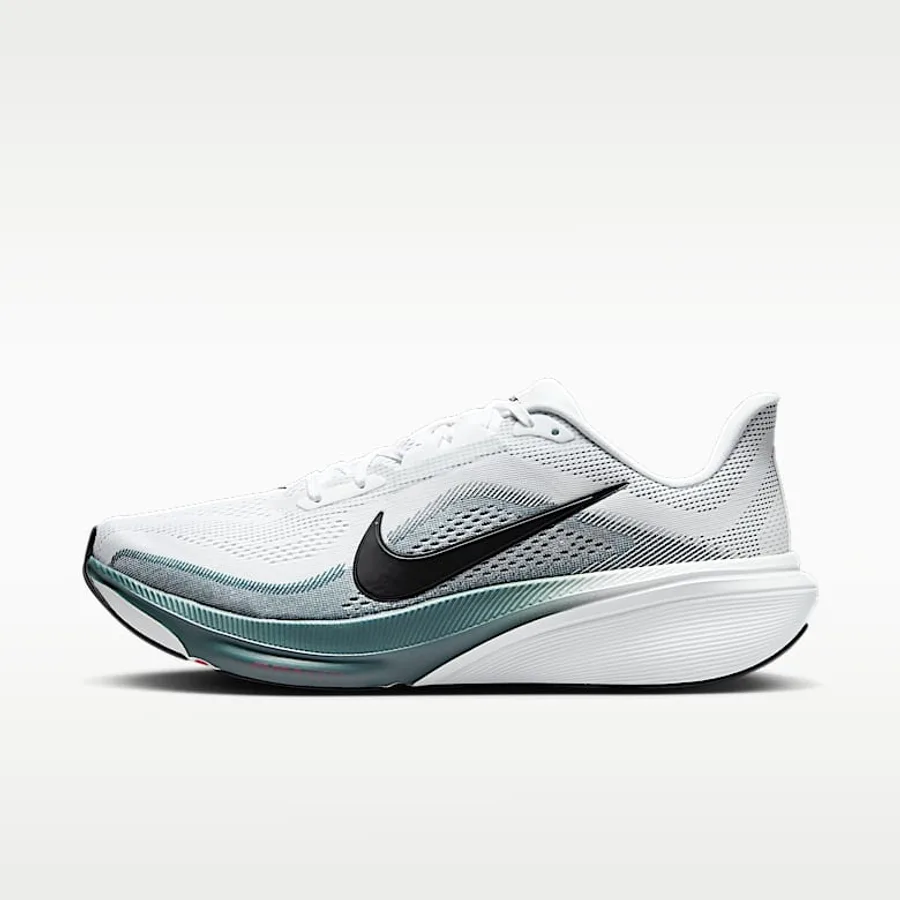
Why we recommend it: The Pegasus 42 continues the line’s role as a durable, straightforward road trainer. It uses ReactX foam with a full-length Air Zoom unit, giving everyday runners a responsive platform without pushing them toward a specialized super-shoe design.
Key specifications
- Support: Neutral
- Weight: Approximately 300 g / 10.5 oz for the referenced men’s size
- Heel-to-toe drop: 10 mm
- Midsole: ReactX foam and full-length Air Zoom
- Outsole: High-abrasion Waffle-pattern rubber
- Best for: Routine training, walking, and runners who prioritize familiarity and durability
What we like
- Durable outsole coverage is well suited to consistent road use.
- The 10 mm drop and conventional geometry will feel familiar to many runners.
- Full-length Air Zoom adds responsiveness throughout the stride.
- It is a practical single-shoe option for uncomplicated daily mileage.
Potential flaws
- It is heavier than several similarly priced performance trainers.
- Faster runners may prefer a lighter shoe with more aggressive foam and geometry.
Value is not simply the lowest purchase price. It also depends on how often the shoe can be used, whether it fits a runner’s normal training, and how quickly the outsole wears. The Pegasus 42 earns this position because its conventional design and substantial rubber coverage make it easier to use frequently.
The updated full-length Air Zoom unit provides a more continuous response than separate forefoot and heel units. Even so, the Pegasus remains a grounded daily trainer rather than a highly cushioned cruiser or explosive racer. That predictability will appeal to some runners and feel ordinary to others.
Who should buy it: Runners who want a familiar, durable road shoe for regular training and prefer practical performance over maximum softness.
Best Stability Running Shoes: Saucony Hurricane 25
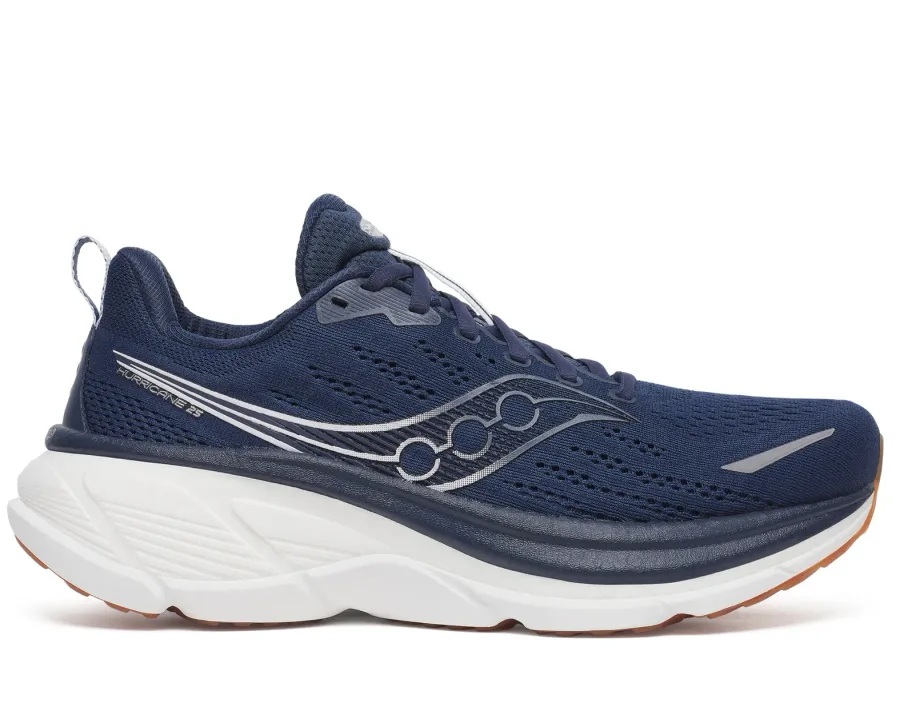
Our take: The Hurricane 25 is worth shortlisting when your priority is a cushioned daily trainer with additional guidance. Its appeal is the combination of a soft PWRRUN PB layer and a more supportive PWRRUN structure, rather than a race-oriented design. Choose it for the job it is built to do: comfortable, supported road mileage.
Key details: Stability category · 6 mm heel-to-toe drop · Dual-layer PWRRUN PB and PWRRUN cushioning · CenterPath guidance · Engineered mesh upper. Weight, fit and available widths should be checked for the exact men’s or women’s version and size.
Who it suits
This is the option to consider if you already prefer guided running shoes and want that support in a more cushioned daily trainer. It belongs on a shortlist for easy and steady running, rather than as the default choice for fast workouts. If your current neutral shoe is comfortable, additional guidance is not automatically an upgrade.
What makes it different
Saucony’s launch description emphasises the dual-foam cushioning and CenterPath approach. The broader platform and supportive structure are intended to work together, so the buying decision is about the whole design rather than one foam name. A soft midsole alone does not tell you how controlled the shoe will feel.
Our research-based assessment is that this combination makes more sense for someone seeking a supported everyday ride than for a runner choosing primarily on minimum weight. Compare it with a neutral trainer for the same purpose, using the same socks and a similar try-on routine.
Trade-offs to consider
A broad, structured shoe may feel substantial if you prefer a flexible, stripped-back trainer. The support system can also feel unnecessary to a runner who does not enjoy guidance. These are reasons to compare alternatives, not faults that make the shoe unsuitable for everyone.
Do not assume the shoe will resolve pain or change a gait issue. Fit and individual comfort remain important. Check the fit and support guidance below before buying.
Bottom line: Shortlist the Hurricane 25 for cushioning plus guidance in daily training. Look elsewhere if your main need is a light workout or race shoe. This recommendation is based on research, not Tea Buster wear-testing. Source: Hurricane 25 launch details.
Best Cushioned Running Shoes: HOKA Bondi 9
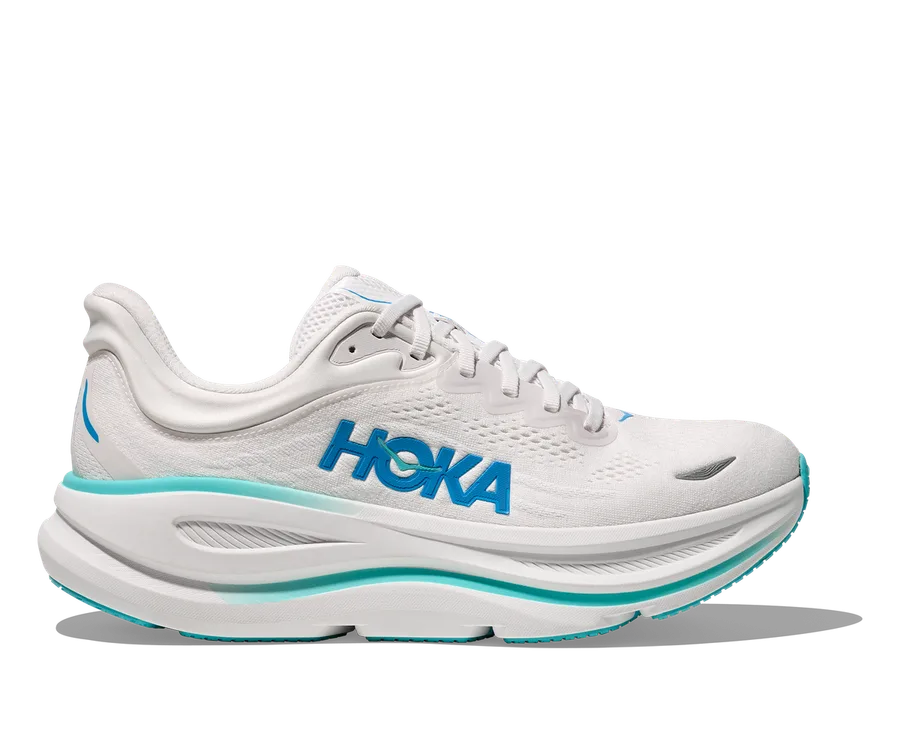
Why we recommend it: The Bondi 9 is designed around plush protection, a broad base, and an assisted transition. It is especially appropriate for easy days, recovery runs, walking, and runners who want cushioning to take priority over speed.
Key specifications
- Support: Neutral with an inherently stable base
- Weight: Approximately 10.5 oz for the referenced men’s version; 9.3 oz for the referenced women’s version
- Heel-to-toe drop: 5 mm
- Midsole: Premium cushioned foam
- Widths: Multiple widths in selected versions
- Best for: Easy running, recovery days, walking, and all-day comfort
What we like
- Generous cushioning softens the sensation of repetitive road impact.
- A wide platform adds confidence to the tall construction.
- The molded collar and ventilated knit upper emphasize step-in comfort.
- Durable rubber is concentrated in common high-wear zones.
Potential flaws
- The size and weight make it less suitable for speed sessions.
- The 5 mm drop may require an adjustment period for runners moving from higher-drop shoes.
Maximum cushioning is useful when comfort matters more than pace. The Bondi 9’s wide footprint helps prevent its thick midsole from feeling excessively unstable, while the rocker reduces the amount of flexibility required through toe-off. This combination suits relaxed road miles and walking particularly well.
The Bondi is not intended to feel nimble. Runners building a rotation may pair it with a lighter workout shoe instead of asking it to handle intervals and racing. Those moving from a traditional 10 or 12 mm drop should also increase mileage gradually while the lower offset feels new.
Who should buy it: Runners and walkers who want a plush, protective ride for easy efforts and are comfortable with a substantial shoe.
Best Running Shoes for Tempo Runs: Saucony Endorphin Speed 5
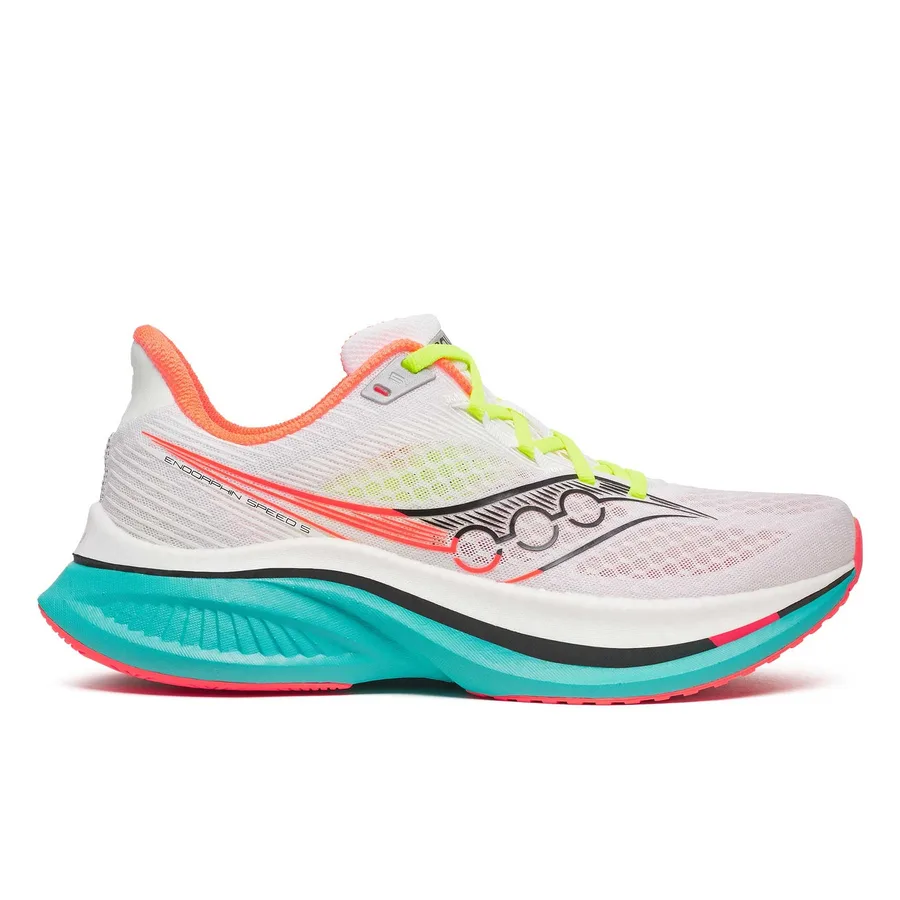
Why we recommend it: The Endorphin Speed 5 sits between a daily trainer and a racing shoe. Its PWRRUN PB foam and semi-rigid nylon plate produce a quick transition, while the more forgiving plate makes it easier to use regularly than many carbon-plated racers.
Key specifications
- Support: Neutral
- Weight: Approximately 237 g / 8.3 oz for the referenced men’s version
- Heel-to-toe drop: 8 mm
- Stack: Approximately 36 mm heel and 28 mm forefoot
- Midsole: PWRRUN PB foam with a full-length semi-rigid nylon plate
- Best for: Tempo runs, intervals, progression runs, and faster long runs
What we like
- Nylon plate adds propulsion while retaining more flexibility than many carbon plates.
- Lightweight construction makes pace changes feel easier.
- Expanded heel rubber improves durability in a high-wear area.
- It can handle both structured workouts and moderate daily training.
Potential flaws
- The propulsive geometry may feel unnecessary during very slow recovery runs.
- Runners wanting maximum stability should use a broader, more supportive trainer.
The Endorphin Speed 5 is valuable because it makes faster running feel purposeful without reserving the shoe for races. Its SPEEDROLL geometry encourages forward movement, while the nylon plate contributes stiffness without producing the demanding feel of an elite carbon racer.
That versatility makes it an excellent second shoe. A runner can use a cushioned daily trainer for easy miles and bring out the Endorphin Speed for workouts, faster long runs, and tune-up races. Some runners may also use it as their primary trainer, but its character is most noticeable when the pace increases.
Who should buy it: Runners adding workouts to their week who want one responsive shoe for tempo training and faster long runs.
Best Running Shoes for Long Runs: ASICS Gel-Nimbus 28
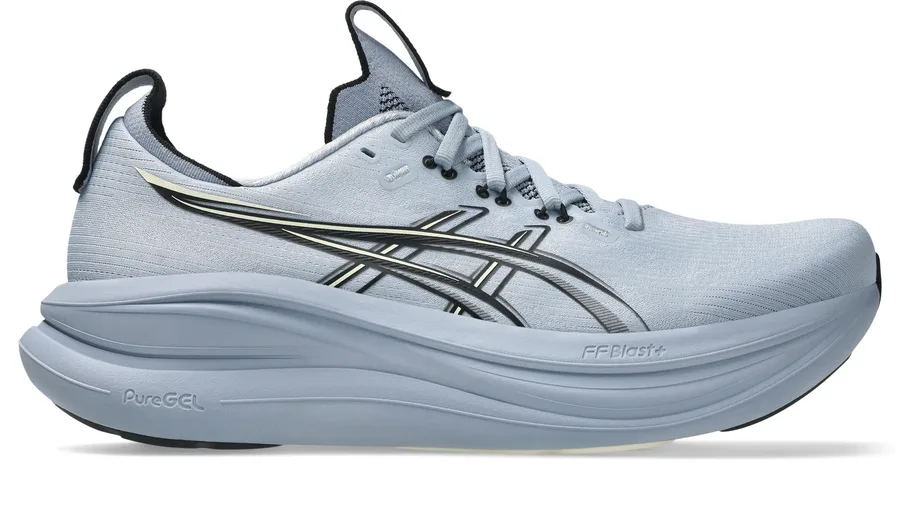
Why we recommend it: The Gel-Nimbus 28 maintains the series’ emphasis on soft, dependable cushioning while reducing weight from the previous version. Its combination of FF BLAST PLUS foam, PureGEL technology, and an engineered knit upper prioritizes comfort over aggressive speed.
Key specifications
- Support: Neutral
- Weight: Approximately 281 g / 9.9 oz for the referenced men’s version and 242 g / 8.5 oz for the referenced women’s version
- Heel-to-toe drop: 8 mm
- Midsole: FF BLAST PLUS cushioning with PureGEL technology
- Cushioning: Maximum
- Best for: Easy long runs, recovery miles, and runners who value a padded upper
What we like
- Maximum cushioning remains comfortable as time on feet increases.
- The 8 mm drop offers a familiar transition for many road runners.
- The engineered knit upper wraps the foot with more padding than minimalist performance shoes.
- Reduced weight makes this version easier to manage over longer distances.
Potential flaws
- It lacks the sharp response of a tempo trainer or carbon-plated racer.
- Runners who dislike soft cushioning or padded uppers may find it excessive.
Long runs expose small fit and comfort problems that may not appear during a short jog. The Nimbus 28 addresses this with a soft midsole, a padded heel area, and a breathable knit upper. ASICS positions it as a shoe for going farther, and the lighter construction helps it feel less cumbersome than the previous version.
This is a neutral shoe rather than a prescribed stability model. Its broad platform can feel steady, but runners who know they prefer structured support should compare it with the Hurricane 25. For neutral runners focused on comfortable mileage rather than pace, the Nimbus remains a reliable option.
Who should buy it: Neutral runners who prioritize soft landings, upper comfort, and dependable cushioning during longer road runs.
Best Running Shoes for Wide Feet: Brooks Ghost 18
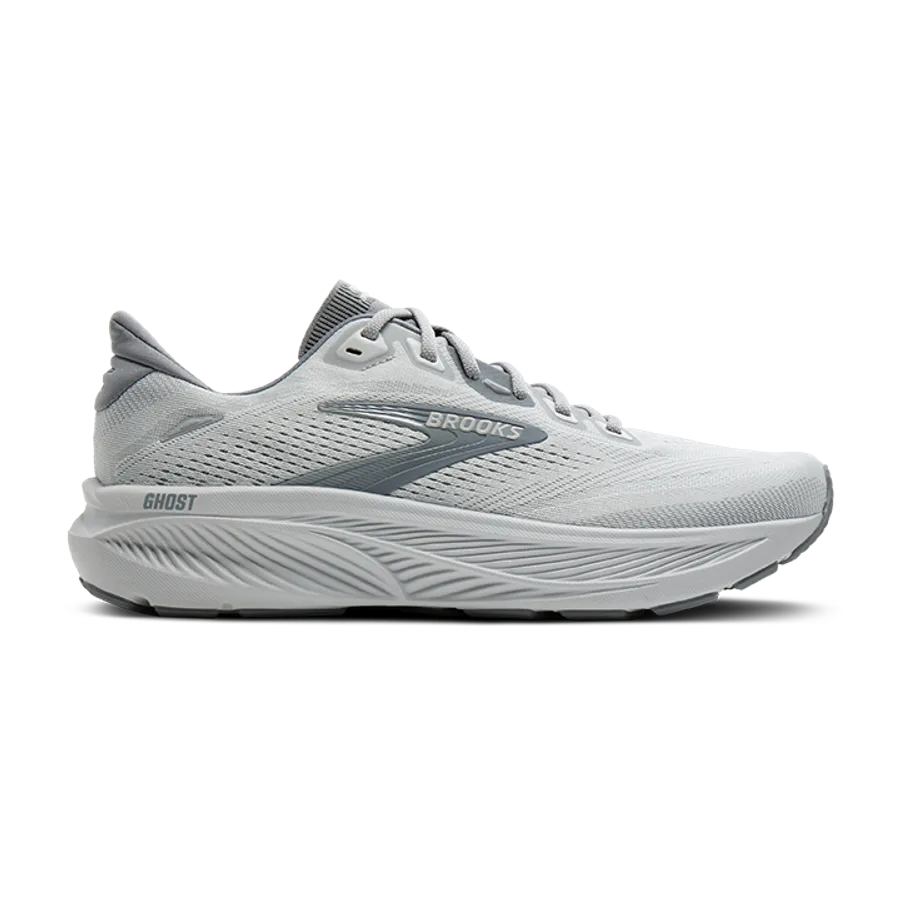
Why we recommend it: The Ghost 18 combines a conventional 10 mm drop, soft dynamic cushioning, and several width options. Its familiar geometry makes it a practical choice for runners who need more room but do not want an unusually tall or aggressive shoe.
Key specifications
- Support: Neutral
- Weight: Approximately 289 g / 10.2 oz for the referenced men’s version
- Heel-to-toe drop: 10 mm
- Midsole: Nitrogen-infused DNA LOFT cushioning
- Widths: Standard and wide options, with availability varying by model and color
- Best for: Daily road running, walking, and runners needing additional width
What we like
- Width choices provide a better solution than simply buying a longer shoe.
- The 10 mm drop and balanced geometry feel familiar and predictable.
- A secured upper and updated sockliner support everyday comfort.
- RoadTack rubber provides traction and protects the outsole.
Potential flaws
- It is heavier and less lively than speed-oriented daily trainers.
- Runners seeking maximum cushioning may prefer the Bondi 9 or Nimbus 28.
Wide feet need sufficient room across the forefoot without allowing the heel to slide. The Ghost 18’s width availability and conventional shape give shoppers more control over that balance. The shoe is also versatile enough for walking and gym use, increasing its value for people who combine running with general fitness.
Do not assume that every color is offered in every width, particularly on Amazon. Check the width selector carefully and confirm that the product page has not defaulted to a standard-width variant. If one foot is larger, fit the larger foot and use lacing adjustments to secure the smaller side.
Who should buy it: Runners who want a straightforward neutral trainer and need a genuine wide option rather than extra length.
Best Running Shoes for Race Day: Nike Vaporfly 4
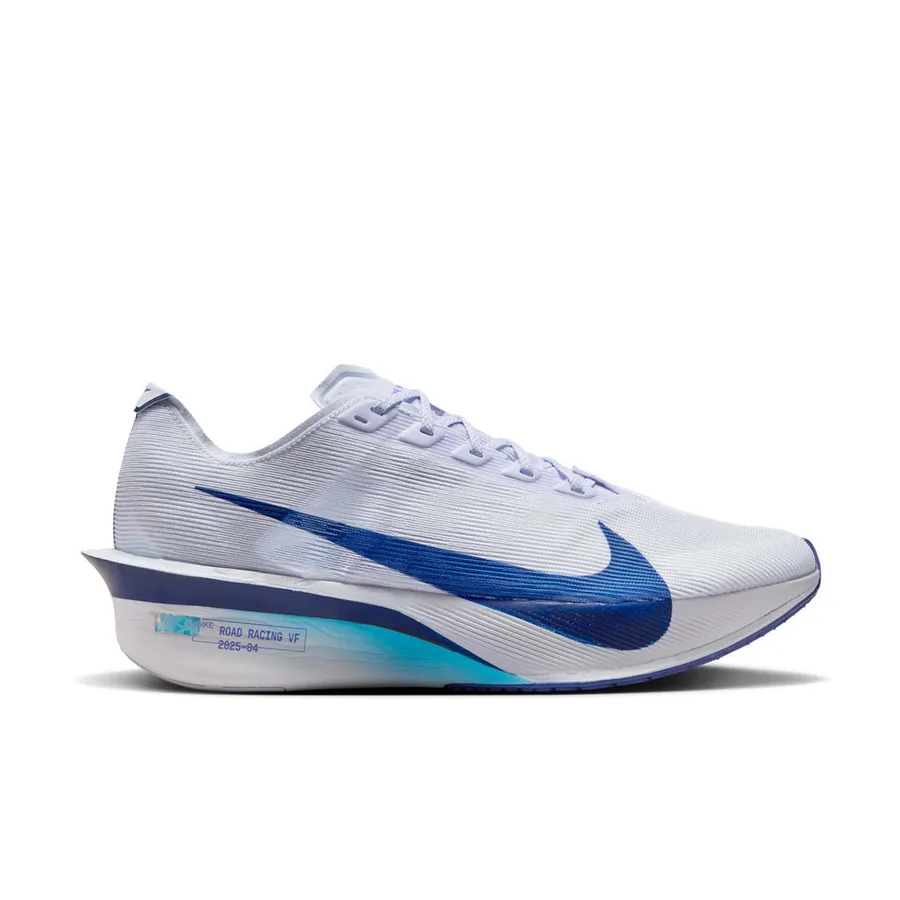
Why we recommend it: The Vaporfly 4 is a specialist road racer built around ZoomX foam and a full-length carbon-fiber Flyplate. At approximately 190 g in the referenced men’s size, it is dramatically lighter than the daily trainers in this guide and is intended for races from 10K through the marathon.
Key specifications
- Support: Neutral
- Weight: Approximately 190 g / 6.7 oz for the referenced men’s version
- Heel-to-toe drop: 6 mm
- Midsole: ZoomX foam
- Plate: Full-length carbon-fiber Flyplate
- Best for: Road racing from 10K to marathon
What we like
- Extremely low weight reduces unnecessary bulk on race day.
- Carbon plate and responsive foam create a fast, propulsive transition.
- The lower-profile redesign can feel more controlled than some very tall racers.
- It covers several road-race distances rather than one narrow event.
Potential flaws
- Premium racing construction is expensive and less practical for routine daily mileage.
- The narrow, performance-focused platform will not suit every foot shape or runner.
The Vaporfly 4 is the most specialized shoe in this roundup. It makes sense for runners who already have a dependable trainer and want a lighter option for important races. The shoe’s plate, foam, and reduced weight are designed to support efficient forward movement when the pace is high.
Carbon-plated shoes can place different demands on the calves, feet, and ankles. Use the Vaporfly in at least one controlled workout before racing, and avoid making race day the first time you wear it. Runners who want a less aggressive performance shoe for both training and occasional racing should consider the Endorphin Speed 5 instead.
Who should buy it: Experienced runners seeking a lightweight carbon-plated shoe for 10K, half-marathon, or marathon racing.
Running-Shoe Comparison
| Best for | Product | Support | Drop | Primary use |
| Overall | Adidas Adizero EVO SL | Neutral | 6 mm | Daily runs and faster sessions |
| Daily training | New Balance Fresh Foam X 1080 v15 | Neutral | 6 mm | Everyday and long runs |
| Beginners | ASICS Novablast 6 | Neutral | 8 mm | Versatile daily training |
| Value | Nike Pegasus 42 | Neutral | 10 mm | Consistent road mileage |
| Stability | Saucony Hurricane 25 | Stability | 6 mm | Supported daily running |
| Maximum cushioning | HOKA Bondi 9 | Neutral, inherently stable | 5 mm | Easy and recovery runs |
| Tempo runs | Saucony Endorphin Speed 5 | Neutral, nylon plate | 8 mm | Workouts and faster long runs |
| Long runs | ASICS Gel-Nimbus 28 | Neutral | 8 mm | Comfortable high-mileage running |
| Wide feet | Brooks Ghost 18 | Neutral | 10 mm | Daily running and walking |
| Race day | Nike Vaporfly 4 | Neutral, carbon plate | 6 mm | Road races from 10K to marathon |
How We Selected the Best Running Shoes
TeaBuster does not operate a shoe laboratory, and we did not personally run in every model. We therefore used a transparent research-based process rather than presenting secondhand information as hands-on testing.
Our evaluation considered five areas:
- Current specifications: We checked manufacturer information for weight, heel-to-toe drop, cushioning systems, intended surface, support type, and available widths.
- Independent evidence: We compared specialist running publications and laboratory-focused reviewers to identify repeated strengths, limitations, and category leaders.
- Use-case fit: Each winner had to solve a distinct purchasing need, such as beginner training, stability, maximum cushioning, wide sizing, speedwork, or racing.
- Versatility and value: We gave preference to shoes that can handle more than one type of run unless specialization was the purpose of the category.
- Retailer verification: Amazon buttons open model-specific search results with our affiliate tracking tag. Confirm the exact model, size, width, seller, price and availability on Amazon before purchasing; these links do not certify a particular listing.
Because shoe performance is personal, the rankings are decision aids rather than universal guarantees. Foot shape, gait, body weight, pace, previous injuries, and preferred ride can change which shoe feels best.
How to Choose Running Shoes
Start with the type of running you do
Most runners should begin with a road-running daily trainer. It is designed for pavement, treadmills, tracks, and other relatively smooth surfaces. Trail shoes use deeper lugs and more protective uppers for loose or uneven terrain, while racing shoes sacrifice some durability and everyday comfort in favor of weight and propulsion.
If you run three or four times per week at mostly easy paces, prioritize comfort, fit, and durability. If your plan includes intervals or tempo sessions, a lighter second shoe can make those workouts feel more natural. Marathon training may justify a rotation consisting of a daily trainer, a comfortable long-run shoe, and a race-specific model.
Choose neutral or stability support
Neutral shoes allow the foot to move without substantial corrective guidance. Stability shoes use platform geometry, sidewalls, firmer foam, or guidance systems to reduce excessive motion and create a more controlled transition.
Flat feet do not automatically mean you require a stability shoe, and visible pronation is not always a problem. Start with what has felt comfortable in the past. If you repeatedly experience discomfort, unusual wear, or instability, a running-store fitting or assessment by an appropriate clinician is more useful than diagnosing yourself from an online footprint test.
Get the fit right
Running shoes should feel secure around the heel and midfoot without squeezing. The toes need room to spread, and there should generally be approximately half to one thumb’s width between the longest toe and the front of the shoe while standing.
Feet can swell during longer runs, so try shoes later in the day and wear your usual running socks. Walk, jog, and make a few turns if the store permits it. Your heel should not lift noticeably, and the upper should not create pressure across the widest part of the foot.
Do not automatically size up to solve a width problem. Extra length can cause sliding and reduce control. Select a wide or extra-wide version when appropriate, and remember that different brands use different shapes even when the printed size is identical.
Understand cushioning
More cushioning does not automatically make a shoe better. High-cushion shoes can feel comfortable and protective, but they may also be heavier, softer, or less stable. Lower and firmer shoes usually offer more ground feedback but may feel harsh during easy mileage.
Choose the sensation that helps you run naturally. A heavier runner does not automatically require the softest shoe, and a lighter runner does not have to choose a minimalist design. Platform width, foam resilience, rocker shape, and upper fit matter alongside the amount of foam.
Consider heel-to-toe drop
Heel-to-toe drop is the difference between the height of the heel and forefoot. A 10 mm drop places the heel higher than a 5 or 6 mm design. Neither is universally superior.
Higher-drop shoes may feel familiar to heel strikers and can reduce the transition required from traditional footwear. Lower-drop shoes can shift more demand toward the calves and Achilles area. If you make a large change, alternate the new pair with your old shoes and increase mileage gradually.
Think about weight and flexibility
Light shoes can make quick running feel easier, but reducing weight sometimes means using less padding, rubber, or upper structure. Daily trainers should provide enough protection for repeated use. Tempo shoes balance weight with durability, while race shoes prioritize performance and may not be the best financial choice for ordinary training.
A plate also changes flexibility. Nylon plates generally feel more forgiving, while carbon plates create greater longitudinal stiffness and a more aggressive transition. A carbon plate is useful for racing but is not required to become a faster or more consistent runner.
Check outsole and durability
Rubber coverage matters if you run on abrasive concrete, wet roads, or high weekly mileage. Exposed foam can reduce weight but may show cosmetic wear sooner. Traction patterns should match the surface: road shoes are not substitutes for trail shoes on mud, loose gravel, or technical terrain.
Many running shoes last approximately 300 to 500 miles, but this is a broad guideline. Replace a pair when the midsole feels persistently flat, the outsole is worn through in important areas, the upper no longer holds the foot securely, or familiar runs begin to feel unusually uncomfortable. Do not rely on mileage alone.
Frequently Asked Questions
What type of shoes are best for running?
For most people running on pavement or a treadmill, a comfortable road-running daily trainer is the best starting point. It should fit securely, match your preferred support level, and provide enough cushioning for your normal mileage. Trail running requires a separate outsole and more protection.
What are the best running shoes for beginners?
We recommend the ASICS Novablast 6 for beginners because it is cushioned, versatile, and responsive enough to remain useful as training develops. The Nike Pegasus 42 is a more traditional alternative, while runners wanting additional guidance can consider the Saucony Hurricane 25.
Which running-shoe brand is best?
No single brand fits every foot or produces the winner in every category. Model, width, cushioning, support, and intended use are more important than the logo. A runner may fit one model from a brand well and find another model from the same company uncomfortable.
How should running shoes fit?
The heel and midfoot should feel snug but not tight, while the toes should be able to move. Aim for roughly half to one thumb’s width in front of the longest toe while standing. Test the shoes with your usual socks and make sure the heel does not slip during movement.
Should running shoes be half a size bigger?
Some runners wear a running shoe half a size larger than casual footwear to accommodate toe room and swelling, but this is not a universal rule. Measure both feet and judge each model by its actual fit. If the shoe is too narrow, select a wider version instead of adding unnecessary length.
Do I need neutral or stability running shoes?
Choose the type that feels comfortable and controlled. Stability shoes can help runners who prefer more guidance, but flat arches alone do not prove that stability technology is necessary. Seek a professional assessment if pain, instability, or repeated problems continue.
Are expensive running shoes worth it?
Premium materials can reduce weight or increase energy return, but a higher price does not guarantee a better fit. Daily runners often receive more value from a comfortable, durable trainer than from an elite racing shoe. Pay for features that match your actual training.
Can running shoes be used for walking?
Yes. Many daily trainers are comfortable for fitness walking and general use. Highly plated racers are less practical for walking because their geometry and stiffness are designed for faster forward movement.
Can I use road-running shoes on a treadmill?
Yes. Road shoes work well on treadmills because both surfaces are smooth and predictable. Trail lugs are unnecessary indoors and can feel awkward on the belt.
How often should running shoes be replaced?
A common range is 300 to 500 miles, but inspect the shoe and pay attention to how it feels. Body weight, gait, running surface, foam, and whether you rotate pairs all affect useful life.
Is it better to rotate two pairs of running shoes?
A rotation is optional, not mandatory. Two pairs can let you match the shoe to the workout and avoid placing the same stresses on the feet every day. A simple rotation might combine a comfortable daily trainer with a lighter tempo shoe.
Can running shoes prevent knee pain or injuries?
No shoe can guarantee injury prevention or treat knee pain. Comfort and appropriate fit are important, but pain can have many causes. Stop running and consult a qualified healthcare professional when pain is persistent, worsening, or changes your gait.
Final Verdict
The Adidas Adizero EVO SL is the best running shoe overall for neutral runners who want a lightweight, responsive model capable of handling both ordinary mileage and faster sessions. Beginners should also consider the versatile ASICS Novablast 6, while the New Balance Fresh Foam X 1080 v15 is better suited to runners who place a higher priority on soft daily comfort.
Choose the Saucony Hurricane 25 if you prefer stability guidance, the HOKA Bondi 9 for plush easy-day cushioning, or the Brooks Ghost 18 when a genuine wide fitting is essential. For workouts, the Saucony Endorphin Speed 5 offers a useful balance of speed and everyday practicality. Save the highly specialized Nike Vaporfly 4 for racing.
The most important decision is still fit. The best-reviewed shoe cannot compensate for pressure, slipping, or a shape that does not suit your foot. Use these categories to narrow the field, then confirm the selected size and width before increasing your mileage.